

Introduction
Multi-family rental insurance options provide essential financial protection for landlords who own duplexes, triplexes, apartment buildings, and other multi-unit residential properties. These specialized policies help protect valuable real estate investments against property damage, liability claims, tenant-related incidents, rental income loss, and unexpected legal expenses. Unlike standard homeowners insurance, multi-family rental insurance is specifically designed for income-producing residential properties with multiple tenants. Comprehensive coverage helps landlords maintain financial stability while reducing risks associated with property ownership. Understanding policy options, coverage limits, exclusions, premium factors, and risk management strategies enables property owners to choose dependable insurance that supports long-term investment growth and successful rental property management.
Understanding Multi-Family Rental Insurance Coverage Benefits
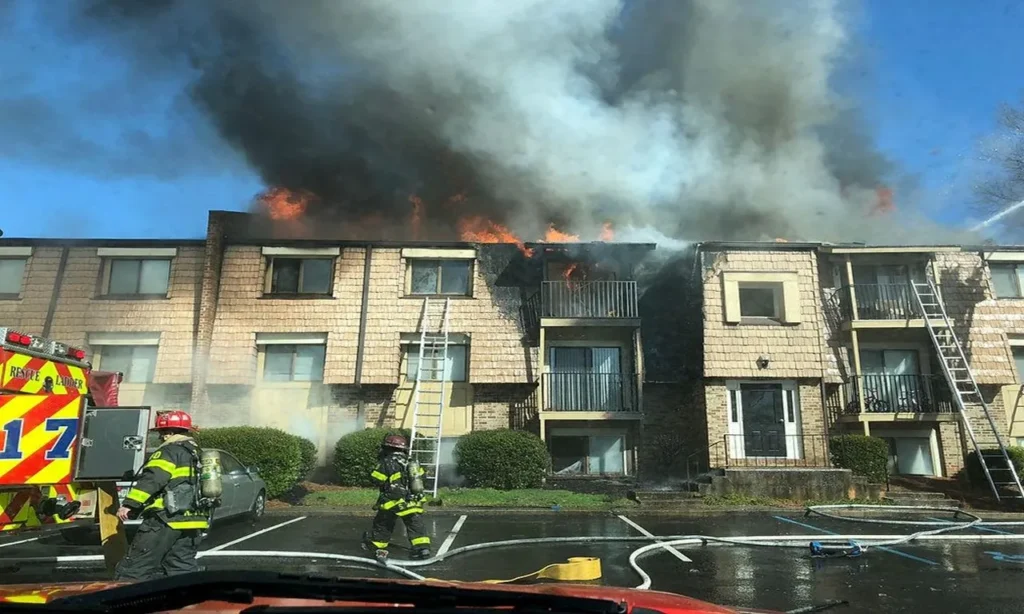
Multi-family rental insurance options protect landlords against financial losses caused by fire, storms, vandalism, theft, liability claims, accidental property damage, and covered rental income interruptions. These policies often include legal defense expenses, building protection, and optional endorsements for broader financial security. Multi-unit residential properties naturally face greater operational risks because multiple families occupy the same building. Comprehensive insurance protects valuable investments while reducing unexpected repair costs and legal expenses. Reliable coverage enables landlords to confidently manage rental properties while supporting long-term financial security and sustainable real estate investment growth.
Why Multi-Family Properties Need Specialized Insurance Protection
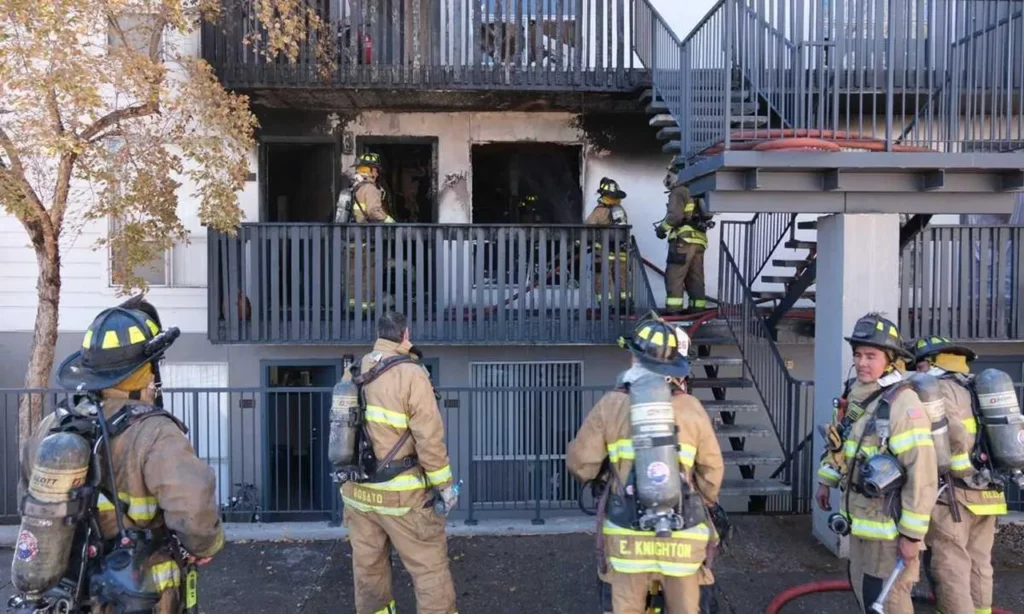
Every multi-family rental property faces financial and legal risks regardless of size, occupancy, or location. Multi-family rental insurance options provide financial protection when unexpected events such as tenant injuries, fires, vandalism, severe weather, liability claims, or accidental damage occur. Multiple rental units increase operational complexity and liability exposure compared to single-family properties. Comprehensive insurance safeguards valuable buildings while minimizing financial losses from repairs, lawsuits, and business interruptions. Dependable protection supports consistent rental income, investment preservation, and responsible long-term property ownership.
Choosing Appropriate Coverage Limits For Multi-Family Properties Today
Before selecting Multi-family rental insurance options, landlords should evaluate:
- Current property market value
- Estimated rebuilding costs
- Annual rental income
- Liability exposure
- Number of rental units
- Local construction expenses
- Mortgage lender requirements
- Policy limits and deductibles
- Optional insurance endorsements
- Future portfolio expansion plans
Choosing proper coverage limits provides stronger financial protection and long-term investment security.
Property And Liability Coverage Differences Explained Clearly
Property insurance and liability insurance provide different protections within multi-family rental insurance options. Property coverage protects buildings and physical structures against covered damage from fire, storms, vandalism, and similar risks. Liability coverage protects landlords when tenants, visitors, contractors, or delivery personnel suffer injuries or property damage resulting in legal claims. Understanding these important differences helps property owners avoid dangerous coverage gaps while maintaining comprehensive financial protection. Combining both coverages strengthens long-term investment security and improves overall rental property risk management.
Rental Income Protection During Property Damage Losses
Unexpected disasters can temporarily prevent tenants from occupying rental units. Multi-family rental insurance options frequently include rental income protection that helps landlords recover lost rental revenue while covered repairs are completed. Without this protection, owners may struggle to pay mortgages, utilities, maintenance costs, insurance premiums, taxes, and operating expenses. Reliable insurance preserves consistent cash flow while supporting business continuity. Financial protection enables landlords to recover quickly following covered property losses while maintaining long-term investment stability and operational success.
Choosing Appropriate Coverage Limits For Multi-Family Properties
Selecting appropriate policy limits remains one of the most important insurance decisions landlords make. Multi-family rental insurance options should reflect replacement costs, property value, rental income, liability exposure, local rebuilding expenses, and future investment objectives. Proper coverage limits provide sufficient financial protection against expensive lawsuits, major property damage, and unexpected disasters. Carefully evaluating property-specific risks helps landlords secure dependable insurance while supporting sustainable portfolio growth, stronger financial security, and long-term rental business profitability.
Factors Affecting Multi-Family Insurance Premium Costs Today
Several important factors influence premiums for multi-family rental insurance options, including building location, construction materials, property age, replacement cost, occupancy rates, claims history, security systems, deductible selection, policy limits, and regional disaster risks. Buildings located in higher-risk areas generally experience increased insurance premiums because of greater financial exposure. Maintaining properties properly, upgrading safety systems, and implementing proactive risk management often help reduce long-term insurance costs while preserving comprehensive protection for valuable rental investments.
Understanding Policy Exclusions Before Purchasing Insurance Today
Every insurance policy contains exclusions identifying situations where coverage does not apply. Multi-family rental insurance options commonly exclude intentional damage, normal wear and tear, flood losses without separate coverage, earthquakes, maintenance failures, pest infestations, criminal activities, and certain contractual liabilities. Understanding these exclusions before purchasing insurance helps landlords avoid unexpected claim denials. Carefully reviewing policy language allows property owners to purchase additional endorsements when necessary while strengthening long-term financial protection against uncovered risks.
Importance Of Accurate Documentation During Insurance Claims
Accurate documentation provides valuable evidence during insurance claims and legal disputes. Multi-family rental insurance options become significantly more effective when landlords maintain organized lease agreements, inspection reports, maintenance records, repair invoices, contractor receipts, rental payment histories, property photographs, tenant communications, and incident reports. Detailed documentation demonstrates responsible property management while supporting faster claim approvals. Consistent recordkeeping improves claim outcomes, reduces disputes, strengthens landlord credibility, and supports effective long-term property risk management.
Benefits Of Annual Insurance Policy Reviews Today
Property values, rebuilding costs, rental income, liability exposure, and insurance markets continue changing every year. Multi-family rental insurance options should be reviewed annually to ensure policy limits, endorsements, exclusions, deductibles, and optional protections remain appropriate. Routine insurance evaluations identify stronger protection opportunities, premium savings, and emerging investment risks before problems occur. Annual reviews strengthen financial security while preventing costly insurance gaps that may expose landlords to unnecessary financial losses and liability claims.
Understanding Policy Exclusions Before Purchasing Insurance Today
Before purchasing Multi-family rental insurance options, landlords should review:
- Intentional property damage
- Normal wear and tear
- Flood damage without coverage
- Earthquake-related losses
- Maintenance-related damage
- Pest infestations
- Criminal activities
- Contractual liability exclusions
- Policy limitations
- High-risk situations
Understanding exclusions helps prevent unexpected claim denials and improves insurance planning.
Risk Management Strategies Supporting Insurance Protection Success
Responsible property management significantly reduces financial risk while improving tenant satisfaction. Multi-family rental insurance options perform best when combined with tenant screening, preventive maintenance, routine inspections, safety improvements, emergency planning, lease enforcement, accurate documentation, and regulatory compliance. These proactive practices reduce preventable insurance claims while strengthening financial protection. Comprehensive insurance supported by disciplined management creates lasting investment security and long-term multi-family rental business success.

Protecting Investments Through Comprehensive Insurance Planning Today
Successful multi-family property ownership requires balancing rental income with proactive financial risk management. Multi-family rental insurance options protect landlords against costly property damage, liability claims, legal expenses, and rental income interruptions while safeguarding valuable real estate investments. Combined with annual policy reviews, preventive maintenance, responsible tenant management, and strategic financial planning, comprehensive insurance provides lasting financial protection. Investing in dependable coverage enables landlords to confidently expand property portfolios while preparing for future financial, legal, and operational challenges.
Building Long-Term Financial Security Through Insurance Protection
Long-term financial success depends on combining responsible property ownership with dependable insurance protection. Multi-family rental insurance options provide a strong financial foundation by reducing uncertainty associated with property damage, liability claims, rental income loss, legal expenses, and unexpected disasters. Comprehensive insurance supports responsible budgeting, accurate documentation, preventive maintenance, strategic investment planning, and regulatory compliance. Reliable protection enables landlords to preserve valuable assets, strengthen financial stability, confidently expand rental portfolios, and achieve sustainable long-term success in the competitive real estate market.
How Liability Coverage Protects Property Owners Financially Today
Liability protection remains one of the most valuable components of multi-family rental insurance options. If tenants, visitors, contractors, or delivery personnel suffer injuries on the property, liability coverage helps pay legal defense costs, medical expenses, settlements, and court judgments for covered claims. Without sufficient insurance, landlords may experience significant financial hardship following unexpected lawsuits. Reliable liability protection preserves investment assets while reducing financial uncertainty. Strong coverage allows property owners to confidently manage multi-family rentals while maintaining long-term financial stability and protecting valuable real estate investments.
Additional Coverage Strengthens Property Financial Protection Today
Standard multi-family rental insurance options may not cover every possible financial risk. Property owners often strengthen protection by purchasing endorsements for flood insurance, earthquake coverage, sewer backup, equipment breakdown, ordinance coverage, umbrella liability, identity theft protection, and cyber liability. These optional coverages reduce financial exposure associated with uncommon but expensive property losses. Carefully evaluating additional endorsements helps landlords customize insurance according to local risks, building characteristics, and long-term investment objectives while strengthening financial security and minimizing unexpected losses.
Cyber Risks Increasing Property Insurance Protection Requirements Today
Modern landlords increasingly depend on digital rent collection, online lease agreements, cloud property management platforms, electronic payments, tenant screening software, and smart building technologies. Multi-family rental insurance options often work alongside cyber liability insurance to protect against identity theft, ransomware attacks, payment fraud, data breaches, and privacy violations. As digital property management continues expanding, cybersecurity risks become increasingly significant. Combining cyber protection with comprehensive insurance strengthens financial security while safeguarding confidential tenant information and supporting secure business operations.
Independent Landlords Need Strong Insurance Protection Today
Independent landlords often manage multiple rental units without professional property management companies. Multi-family rental insurance options protect owners against property damage, tenant injuries, liability lawsuits, rental income losses, and unexpected legal expenses. Comprehensive insurance preserves investment value while protecting personal assets from financial hardship following covered incidents. Reliable protection allows landlords to focus on growing successful rental businesses instead of worrying about unexpected financial risks. Strong insurance supports long-term investment confidence and operational stability.
Claims History Influences Insurance Premium Costs Significantly Today
Insurance providers carefully evaluate previous claims before determining premiums for multi-family rental insurance options. Landlords maintaining favorable claims histories, regular maintenance schedules, accurate documentation, effective tenant screening, and proactive safety measures often qualify for lower insurance premiums because they present reduced financial risk. Frequent insurance claims generally increase future coverage costs. Responsible property management and effective risk reduction strategies support affordable insurance while preserving comprehensive financial protection for valuable multi-family rental investments.
Tenant Communication Reduces Property Liability Risks Today
Clear communication between landlords and tenants significantly reduces misunderstandings that may lead to liability claims or legal disputes. Multi-family rental insurance options provide financial protection, but landlords should also communicate lease terms, maintenance responsibilities, emergency procedures, inspection schedules, repair reporting processes, and safety expectations clearly. Proper documentation of tenant communications strengthens legal defenses during future disputes. Effective communication improves tenant satisfaction, reduces liability exposure, strengthens landlord credibility, and supports successful long-term property management.
Documentation Strengthens Insurance Claims And Legal Defense Today
Accurate documentation provides valuable evidence during insurance investigations and legal proceedings. Multi-family rental insurance options become significantly more effective when landlords maintain organized lease agreements, inspection reports, maintenance records, repair invoices, contractor receipts, rental payment histories, property photographs, tenant communications, and incident reports. Detailed documentation demonstrates responsible property management while supporting faster claim approvals. Consistent recordkeeping improves claim outcomes, reduces disputes, strengthens landlord credibility, and supports effective long-term property risk management.
Understanding Deductibles Before Selecting Insurance Policies Today
Deductibles directly influence annual insurance premiums and out-of-pocket claim expenses. Multi-family rental insurance options with higher deductibles generally lower annual premium costs while increasing financial responsibility following covered losses. Lower deductibles provide greater financial assistance but increase yearly insurance expenses. Property owners should evaluate rental income, emergency reserves, investment goals, and financial resources before selecting deductible amounts. Balanced deductible decisions maintain affordable insurance while ensuring dependable financial protection against costly property losses.
Growing Portfolios Require Updated Insurance Coverage Regularly Today
As landlords purchase additional apartment buildings, renovate existing properties, increase rental income, or expand their real estate portfolios, liability exposure naturally increases. Multi-family rental insurance options should evolve alongside portfolio growth to maintain appropriate financial protection. Regular policy updates ensure coverage limits reflect expanding investment values and operational responsibilities. Keeping insurance current eliminates dangerous coverage gaps while strengthening long-term financial stability and supporting confident business expansion.
Documentation Strengthens Insurance Claims And Legal Defense Today
Multi-family rental insurance options become more effective when landlords maintain:
- Lease agreements
- Property inspection reports
- Maintenance records
- Repair invoices
- Contractor receipts
- Rental payment history
- Property photographs
- Tenant communication records
- Incident reports
- Insurance policy documents
Complete documentation improves claim approvals and strengthens legal protection.
Property Reputation Benefits From Comprehensive Insurance Protection Today
Well-maintained multi-family properties build stronger tenant confidence and improve long-term investment value. Multi-family rental insurance options support property reputation by providing dependable financial protection during unexpected losses and liability claims. Regular maintenance, prompt repairs, professional tenant communication, and responsible management further strengthen landlord credibility. Reliable insurance enables property owners to resolve problems efficiently while preserving tenant trust. Strong reputations supported by comprehensive insurance contribute directly to higher occupancy rates, increased tenant retention, and sustainable rental income.
Technology Improving Insurance Claims Management Efficiently Today
Technology continues transforming multi-family property management through smart security systems, cloud management software, artificial intelligence, online rent collection, digital inspections, electronic documentation, and automated maintenance scheduling. Multi-family rental insurance options benefit from these innovations because they improve documentation quality, accelerate claims processing, strengthen legal evidence, and reduce administrative delays. Property owners adopting modern technology improve operational efficiency while supporting stronger insurance protection and more effective long-term property management.
Annual Insurance Reviews Prevent Costly Coverage Gaps Today
Property values, rental income, rebuilding costs, regulations, and liability risks continue changing every year. Multi-family rental insurance options should be reviewed annually to verify policy limits, endorsements, exclusions, deductibles, and insurer performance remain appropriate. Regular evaluations identify stronger protection opportunities, available premium savings, and emerging investment risks before problems occur. Routine policy maintenance strengthens financial security while preventing outdated insurance from exposing landlords to unnecessary financial losses and operational disruptions.
Future Trends Transforming Multi-Family Insurance Industry Today
The multi-family housing industry continues evolving through artificial intelligence, smart buildings, digital leasing, remote property management, cybersecurity improvements, predictive analytics, climate-related risks, and changing insurance regulations. Multi-family rental insurance options continue adapting by offering broader protection against emerging property risks and increasingly connected residential environments. Landlords understanding these evolving insurance trends position themselves for stronger long-term financial protection while improving investment resilience within today’s rapidly changing real estate market.
Building Long-Term Success Through Responsible Property Ownership
Long-term rental success depends on combining profitable property ownership with proactive financial risk management. Multi-family rental insurance options protect landlords against costly property damage while supporting responsible property management, preventive maintenance, accurate documentation, legal compliance, strategic investment planning, and effective tenant communication. Comprehensive insurance strengthens investment resilience while preserving financial stability and property value. Investing in dependable coverage enables landlords to confidently expand property portfolios while preparing for future financial, legal, and operational challenges.
Avoiding Common Insurance Buying Mistakes Today
Many landlords purchase insurance based only on premium costs instead of evaluating overall policy quality and protection. Multi-family rental insurance options should be selected after reviewing coverage limits, exclusions, endorsements, deductibles, replacement cost protection, and insurer reputation. Inadequate coverage may expose landlords to substantial financial losses following covered events. Comparing policy features rather than focusing only on price helps property owners secure stronger protection while supporting long-term financial stability, responsible ownership, and sustainable investment success.
Maintaining Regulatory Compliance Through Insurance Protection Today
Landlords must comply with housing regulations, building codes, safety standards, lease requirements, and local rental laws. Multi-family rental insurance options support compliance by providing financial protection that aligns with legal responsibilities and property ownership obligations. Maintaining appropriate insurance demonstrates professionalism while improving credibility with tenants, lenders, regulators, and investors. Regular compliance reviews help landlords update coverage as regulations evolve, reducing legal exposure while supporting responsible property management and sustainable long-term investment success.
Protecting Tenant Relationships Through Insurance Planning Today
Strong tenant relationships contribute directly to successful rental property management. Multi-family rental insurance options provide financial protection that allows landlords to resolve covered property issues quickly and professionally. Insurance demonstrates responsibility while supporting timely repairs, legal compliance, and safer living environments. Combined with transparent communication, preventive maintenance, and organized documentation, comprehensive insurance strengthens tenant satisfaction. Positive landlord-tenant relationships encourage lease renewals, reduce vacancies, improve occupancy rates, and support sustainable rental income.
Financial Planning Supports Better Insurance Decisions Today
Insurance becomes more valuable when included within a comprehensive financial strategy. Multi-family rental insurance options should complement emergency reserves, mortgage planning, maintenance budgets, business continuity planning, tax preparation, and investment diversification. A balanced financial approach reduces uncertainty while improving resilience against unexpected repair costs and liability claims. Property owners combining dependable insurance with strategic financial planning create stronger rental businesses capable of adapting to changing market conditions while maintaining long-term financial security and profitability.
Protecting Personal Assets From Liability Claims Today
Rental property lawsuits may place personal savings, investments, retirement accounts, and future earnings at financial risk. Multi-family rental insurance options protect valuable personal and investment assets by covering eligible legal defense costs, settlements, court judgments, and liability claims resulting from covered incidents. Without sufficient insurance, landlords may experience severe financial hardship following unexpected legal disputes. Reliable liability protection preserves financial independence while allowing property owners to confidently manage rental investments despite increasing legal responsibilities.
Risk Management Strategies Supporting Insurance Protection Success Today
Multi-family rental insurance options work best when landlords implement:
- Thorough tenant screening
- Regular property inspections
- Preventive maintenance schedules
- Building safety improvements
- Emergency response planning
- Accurate maintenance documentation
- Housing regulation compliance
- Prompt repair management
- Lease agreement enforcement
- Routine property risk assessments
Responsible management reduces claims while protecting long-term rental investments.
Remote Property Management Requires Updated Insurance Today
Many landlords now manage properties using online rent collection, digital leases, cloud management software, virtual inspections, smart security systems, and electronic communications. Multi-family rental insurance options should include protection appropriate for remote property management and technology-driven operations. Landlords expanding digital management should verify policy coverage before relying on connected systems. Appropriate insurance supports secure operations while protecting owners against evolving technology-related property risks affecting modern rental businesses.
Strong Management Reduces Property Liability Risks Today
Well-developed management procedures significantly reduce liability exposure while improving operational efficiency. Multi-family rental insurance options become more effective when supported by tenant screening, scheduled inspections, preventive maintenance, safety upgrades, documented repairs, emergency planning, lease enforcement, and regulatory compliance. Organized property management reduces preventable losses while strengthening financial protection. Combining comprehensive insurance with disciplined management practices creates stronger protection against liability claims, financial losses, regulatory challenges, and long-term investment risks.
Continuing Education Improves Property Risk Management Today
Continuing education enables landlords to remain informed about changing housing laws, landlord-tenant regulations, insurance requirements, maintenance standards, investment strategies, and building safety regulations. Multi-family rental insurance options provide financial protection while ongoing education reduces liability exposure through improved management practices and legal compliance. Property owners committed to continuous learning deliver better rental experiences while minimizing preventable risks. Lifelong education strengthens professional credibility, improves investment performance, and supports sustainable property ownership.

Portfolio Expansion Requires Insurance Updates Regularly Today
Growing rental portfolios naturally assume greater liability as landlords purchase additional buildings, renovate existing properties, increase rental income, or expand into larger investments. Multi-family rental insurance options should be reviewed whenever property operations change significantly. Updating insurance ensures policy limits remain appropriate while protecting expanding investments against increasing financial exposure. Routine evaluations eliminate insurance gaps while strengthening long-term financial security and supporting sustainable portfolio growth with greater confidence and profitability.
Protecting Tenant Information Through Secure Digital Practices
Landlords regularly manage tenant applications, lease agreements, payment records, identification documents, financial information, and confidential personal data. Multi-family rental insurance options complement secure property management by supporting financial protection during liability disputes. Strong cybersecurity, encrypted communications, secure cloud storage, restricted data access, privacy policies, and effective record management reduce legal exposure while protecting valuable tenant information. Maintaining confidentiality strengthens landlord credibility while supporting long-term business success.
Modern Technology Improves Property Insurance Protection Today
Technology continues improving rental property management while reducing operational risks. Multi-family rental insurance options work alongside smart security systems, cloud management software, automated maintenance scheduling, digital inspections, online rent collection, electronic leases, artificial intelligence, and predictive analytics. These innovations improve documentation, reduce administrative errors, strengthen legal evidence, and support faster insurance claims. Integrating modern technology with comprehensive insurance creates greater operational resilience while improving long-term property management and investment performance.
Additional Coverage Strengthens Property Financial Protection Today
Multi-family rental insurance options can be enhanced with:
- Flood insurance
- Earthquake protection
- Sewer backup coverage
- Equipment breakdown insurance
- Ordinance or law coverage
- Umbrella liability insurance
- Cyber liability protection
- Identity theft coverage
- Extended replacement cost
- Business interruption coverage
Adding these endorsements provides broader financial protection against unexpected property and liability risks.
Comprehensive Insurance Planning Supports Investment Growth Today
Sustainable property investment growth requires careful planning and dependable financial protection. Multi-family rental insurance options provide a stable foundation for expanding real estate portfolios by reducing uncertainty associated with property damage, liability claims, legal expenses, and rental income interruptions. Comprehensive insurance supports responsible property management, strategic planning, regulatory compliance, preventive maintenance, and effective tenant communication. Reliable protection enables landlords to confidently expand investments while preserving financial stability and long-term success.
Why Multi-Family Insurance Remains Investment Essential Today
Every multi-unit property owner faces financial and legal risks regardless of experience, portfolio size, or investment strategy. Multi-family rental insurance options provide essential financial protection against costly lawsuits, property damage, rental income interruptions, liability claims, and unexpected disasters while preserving valuable real estate investments. Comprehensive coverage allows landlords to focus on growing profitable rental businesses without constant concern about unforeseen financial setbacks. Investing in dependable insurance strengthens financial security, protects valuable assets, improves operational resilience, supports long-term profitability, and helps landlords achieve lasting success.
Frequently Asked Questions
What do multi-family rental insurance options cover?
- They typically cover building damage, liability claims, legal expenses, covered rental income loss, and optional policy endorsements.
Who needs multi-family rental insurance options?
- Owners of duplexes, triplexes, apartment buildings, and other multi-unit residential rental properties need this coverage.
Does homeowners insurance cover multi-family rentals?
- No. Standard homeowners insurance usually does not provide adequate protection for income-producing multi-family rental properties.
How much do multi-family rental insurance options cost?
- Premiums depend on property location, building value, occupancy, claims history, deductible, coverage limits, and endorsements.
Does insurance cover lost rental income?
- Yes. Many policies include rental income protection when covered damage makes units temporarily uninhabitable.
Should multi-family rental insurance be reviewed annually?
- Yes. Annual reviews ensure coverage reflects updated property values, rental income, renovations, liability exposure, and changing insurance needs.
Conclusion
Multi-family rental insurance options provide essential financial protection for landlords managing duplexes, triplexes, apartment buildings, and other multi-unit residential investments. Unexpected property damage, tenant injuries, liability claims, legal disputes, and rental income interruptions can create serious financial challenges without proper insurance. Comprehensive coverage safeguards valuable real estate assets, protects rental income, and minimizes legal exposure while supporting uninterrupted property operations. Selecting appropriate policy limits, maintaining accurate documentation, implementing preventive maintenance, and reviewing coverage annually help maximize insurance value. Every landlord should invest in dependable multi-family rental insurance options tailored to property size, investment objectives, and financial goals. Reliable coverage strengthens investment security, preserves valuable assets, supports sustainable portfolio growth, and promotes long-term success in today’s competitive rental property market.